Thursday, September 29, 2011

Short Introduction about tonsillolith

Tonsils
Introduction - tonsillolith? Tonsilloliths, also known as tonsil stones, are irregularly shaped, whitish/yellow, foul-smelling globs of mucus and bacteria that get caught in the back of the throat.

The tonsil stones form in the tonsil crypts which are simply small pockets or divots that appear in everyones tonsils. The scientific name for these white globs is tonsilloliths.

Here is the specific method I used to get rid of tonsil stones
It is only recently that the oral care community has begun to understand what these white spots actually are - many people have reported that their dentist told them that they were just extra food debris, which is not true!
These tonsillar stones don't do any physical harm, and sporadically coughing them up doesn't mean that there is anything wrong with you. However, they can be annoying (who wants to cough one up while they are kissing someone?), and sometimes they are an indication that you have tonsilloliths and bad breath.

If you have ever broken open a tonsil stone, then you know that they smell absolutely terrible! The smell is actually caused by a combination of volatile sulfur compounds (methyl mercaptan and hydrogen sulfide), post nasal drip, and bacteria.

They will only form in people who still have their tonsils; however, that does not mean that you should run out and get your tonsils removed! Not too long ago, they were routinely removed for being swollen and inflamed. What was not understood then was that the tonsils' sole purpose is to prevent organisms and bacteria from traveling deeper in the throat.

Tonsilloliths are not something that you have to live with - there are various treatments to get rid of them, without having your tonsils removed (which can be dangerous as people get older).

Alternative Health News

Wednesday, September 28, 2011

Are Cooking Oils excellent for You

Cooking Oil
Are there any oils I should keep away from totally? Yes, The bad type of oil is an element in packaged foods including some stick margarines, baked goods, chips, crackers and candy.

I’m talking about partially hydrogenated oils—or trans fats, which is how they’re listed on Nutrition Facts panels on labels. Partially hydrogenated oil is vegetable oil that has been chemically altered so it’s less likely to spoil. Food manufacturers often add it to their products because it can help foods stay fresh longer.

But even in very small amounts, partially hydrogenated oil can wreak havoc on your heart health. It lowers levels of HDL (“good”) cholesterol and raises LDL (“bad”) cholesterol, and it even increases your risk for diabetes. The American Heart Association recommends that no more than 1% of your total daily calories come from trans fat. This translates to less than 2 grams for women, who typically need fewer than 2,000 calories per day. If a food contains trans fat, it’ll be listed below Saturated Fat in the “Total Fat” column.

For the record, which is better: butter or olive oil?

From a health standpoint, olive oil is the better choice. But butter still has its place. All oils are a mixture of fats including monounsaturated fatty acids (MUFA), polyunsaturated fatty acids (PUFA) and saturated fatty acids (SFA)—but in each
oil (and in butter, too, which is basically a solidified oil), one type of fat dominates.

Olive oil is predominantly rich in heart-healthy monounsaturated fat, which decreases your risk for cardiovascular disease by lowering LDL cholesterol and increasing HDL cholesterol. On the other hand, butter is mostly saturated fat, which increases LDL cholesterol and causes inflammation in your body. So generally, it’s best to use olive oil.

However, the distinctive smell, flavor and consistency of butter works best in certain baked goods—including cakes, cookies and pastries—so it’s OK to make these occasionally and enjoy the butter. Another butter-vs.-oil difference: Because butter is solid at room temperature, you have more control over how much (or how little) of it you spread on bread; with olive oil, it’s difficult to gauge how much oil is absorbed. So dip lightly!

What’s the difference between regular olive oil, virgin and extra-virgin?

Simply put, olive oil is made by crushing olives to make a paste that’s then put under a press. If the oil that comes out has a low acidity and a good taste and smell, it’s labeled extra-virgin or virgin. (Virgin is slightly lower quality than extra-virgin.) These types are ideal to use for bread dunking, drizzling on veggies and other foods, and making salad dressings, since their delicate flavor and aroma will be lost when heated (some chefs still prefer to use extra-virgin for cooking). The deeper the color, the more intense the olive flavor.

If the oil is highly acidic or not great quality, it’s refined and mixed with virgin or extra-virgin oil to make “regular” olive oil; this all-purpose oil is good for cooking.
The heart-health benefits of all types of olive oil are pretty much the same, although the virgin and extra-virgin ones have extra antioxidants.

How can oils be healthy if they’re so fattening?

Oils may be “fattening” in the sense that they’re pretty high in calories compared with other foods. All oils have around 120 calories per Tbsp, so you can easily gain weight if you use too much. Even butter has fewer calories than oil (100 per Tbsp of butter) because of its water content. What’s more, “whipped” butter sold in a tub has even fewer calories—about 60 to 70 per Tbsp, thanks to the air that’s been incorporated into the mix. And tub “light” margarine spreads have only 30 to 50 calories per Tbsp.

But since oils contain fats that are good for you, you’re better off getting that 120 calories from a healthy oil rather than stick or tub butter. By the way, if you’re inclined to cut out fats entirely, don’t: We do need some fat to be healthy. Without it, our bodies can’t absorb fat-soluble vitamins like A, D, E and K, and we miss out on fatty acids that are essential for the health of your skin, hair, heart and brain—and just about every other part of your body.

How should I store oils?

Heat, light and oxygen degrade oils, which makes them turn rancid more quickly and actually promotes the formation of cancer-causing compounds called free radicals. The more polyunsaturated fats an oil contains, the more susceptible to rancidity it becomes.

Oils rich in PUFAs, such as walnut and flaxseed, are best stored in the fridge in tightly capped containers. MUFAs, such as those found in olive oil, are a bit more hardy, but you should still protect oils that contain them by keeping the lid on tightly and storing them in a dark place far from the stove or other heat source. Saturated fats, such as butter, can withstand more heat, light and oxygen, but you should still refrigerate sat-fat–rich butter, because it contains milk solids, which can go rancid. If you store oils correctly, most will last about six months to one year.

When you’re shopping for oils, reach for bottles at the back of the shelf, since that’s where they are more protected from harsh lighting that can make them go bad. Check the bottle for an expiration date (most oils have one), and every time you open a bottle, give it a whiff to make sure it doesn’t smell rancid.

Alternative Health News

Tuesday, September 27, 2011

Best five foods to help you sleep

Sleeping
Whether it’s a one-off incidence before a huge event or a nightly struggle, most of us affect from insomnia at one time or another.

Fortunately, there are many foods that can help you sleep a little easier. To help you relax and catch some Zs, check out our top 5 foods to help you sleep.

Dairy products

If you’re struggling to get a good night’s sleep, foods containing tryptophan should be a first port of call. Tryptophan, an essential amino acid, helps to raise serotonin and melatonin levels in the body, both of which can help induce sleep. While turkey is a famously good source of tryptophan, other (perhaps more bedtime-friendly) sources include dairy products such as yoghurt and milk.

On top of their tryptophan levels, dairy snacks are also a great source of calcium, which helps the brain to use tryptophan to create melatonin. Research has also suggested that a deficiency of calcium in the diet can cause disturbed sleep patterns and a lack of deep (REM) sleep.

Oats

While many of us associate oats with breakfast time, they are also the perfect evening snack. Oats are a good natural source of melatonin, which is often taken as a sleep aid due to its ability to help regulate the body's internal clock. They are also another good source of tryptophan, especially when combined with milk.

Furthermore, oats are rich in both calcium and magnesium; two minerals that have been proven to promote good quality sleep. For a warm, soothing snack before bed, try eating a small bowl of porridge to help you drift off, combined with any of the following toppings to help double its effects.

Bananas

If you suffer from muscle spasms or cramps during the night, it may be that you are deficient in the electrolytes magnesium and potassium, both of which help to relax muscles and keep them functioning properly. Fortunately, bananas are excellent source of both minerals, making them a good bedtime snack, particularly after a heavy exercise session.

As well as being rich in these essential minerals, bananas also contain tryptophan, which can help to promote sleep. Researchers from the University of New England in New South Wales have also found that having a banana before bed can help sufferers of sleep apnea by keeping their throats open and therefore reducing the risk of choking.

Cherries

For those who have trouble sleeping, you may be familiar with over-the-counter melatonin supplements used to treat insomnia. However, while melatonin can help to regulate sleep, it may be unwise to rely on supplements for long-term use. Fortunately, cherries provide a great natural source of melatonin as well as being excellent for overall health.

A research study published in The Journal of Sleep and Sleep Disorders Research has indicated that consuming tart cherries before bed helped participants sleep faster and easier, making fresh cherries or cherry juice a great natural sleep aid.

Flax seeds

Flax seeds are great for increasing levels of sleep-regulating substance serotonin in the body due to their high levels of both tryptophan and omega-3 fatty acids. Furthermore, the omega-3 fatty acids they contain have been proven to help reduce the anxiety, depression and stress which are leading causes of insomnia, and have been shown to be effective against the condition sleep apnea.

Not only that, flax seeds are a good source of magnesium, which is renowned for its ability to reduce stress due to its relaxing effect on the muscles and nervous system. Magnesium has also been shown to help prevent restless leg syndrome and night terrors; both of which can affect sleep.

Alternative Health News

Monday, September 26, 2011

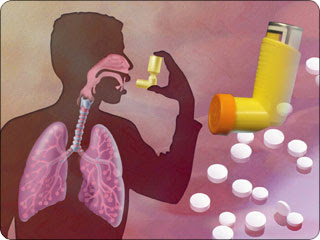
Symptoms of Asthma for all Agers

Asthma Symptoms
When the inhalation passages become aggravated or infected, an attack(hit) is triggered.

The attack may come on suddenly or develop slowly over several days or hours. The main symptoms that signal an attack are as follows:

• wheezing,
• breathlessness,
• chest tightness,
• coughing, and
• difficulty speaking.


Symptoms may occur during the day or at night. If they happen at night, they may disturb your sleep.
Wheezing is the most common symptom of an asthma attack.
• Wheezing is a musical, whistling, or hissing sound with breathing.

• Wheezes are most often heard during exhalation, but they can occur during breathing in (inhaling).

• Not all asthmatics wheeze, and not all people who wheeze are asthmatics.
Current guidelines for the care of people with asthma include classifying the severity of asthma symptoms, as follows:
• Mild intermittent: This includes attacks no more than twice a week and nighttime attacks no more than twice a month. Attacks last no more than a few hours to days. Severity of attacks varies, but there are no symptoms between attacks.

• Mild persistent: This includes attacks more than twice a week, but not every day, and nighttime symptoms more than twice a month. Attacks are sometimes severe enough to interrupt regular activities.

• Moderate persistent: This includes daily attacks and nighttime symptoms more than once a week. More severe attacks occur at least twice a week and may last for days. Attacks require daily use of quick-relief (rescue) medication and changes in daily activities.

• Severe persistent: This includes frequent severe attacks, continual daytime symptoms, and frequent nighttime symptoms. Symptoms require limits on daily activities.
Just because a person has mild or moderate asthma does not mean that he or she cannot have a severe attack. The severity of asthma can change over time, either for better or for worse.

Alternative Health News

Sunday, September 25, 2011

How to utilize Banana Peel for Skin care

Banana_skincare
Banana peel can be utilized to take away warts, decrease swelling or inflammation after a bug bite, and improve the overall texture and tone of the skin. Here's how to maximize the benefits of a banana peel.

The ancient Egyptians, Romans and Greeks have documented the health and beauty benefits of fruit and honey, and banana peel is especially helpful for reducing inflammation and getting rid of infection on the top of the skin.

Banana peel can be used to remove warts, reduce swelling or inflammation after a bug bite, and improve the overall texture and tone of the skin. It has been ailed as a natural solution for treating psoriasis, a skin condition that cause rough and scaly patches of skin and skin inflammation.
Skin and Health Benefits of Banana Peel

In many countries, banana fruit and the peel are considered to be the ‘golden fruit’ of nature because the fruit helps promote natural beauty and keep the body healthy. Eating bananas regularly can keep the digestive system running at an optimal level, restore energy and also provide the body with essential nutrients that help with cell regeneration.

Banana peel contains a number of antioxidants and minerals that can help the skin restore itself naturally. Banana peels have been used as a home remedy for a number of skin conditions including allergies, bruises and skin irritation. The key compounds in the peel include potassium and other antioxidants that help to keep the skin looking soft, supple and healthy. These compounds and have a positive effect on conditions such as psoriasis and warts, and also help to relieve irritation from allergies and other skin conditions.
Banana Peels for Managing Psoriasis

Dry and itchy skin that eventually turns scaly is a condition known as psoriasis; it is a genetic disease that affects both the skin and the joints, and the severity of the condition varies from person to person. People who suffer from psoriasis of the skin experience inflamed lesions that cannot be treated with standard moisturizers, oils, or other topical treatments.

The skin condition can be treated with prescription-strength creams and moisturizers, but each person reacts to the products in a different way. The inside of the banana peel has been used to treat psoriasis for many years, and most people will see results within a few days and weeks. The skin is replenished with natural moisture, nutrients and compounds that reduce itchiness and help make scales disappear. Rubbing the inside of the peel on the affected area or areas once or twice per day may help relieve or eliminate the symptoms of psoriasis and restore the skin back to a healthy state.

In addition to psoriasis, banana peel can help to alleviate several skin conditions including:

Irritation from mosquito bites – banana peel helps soothe the skin after a bug or mosquito bite

Treating poison ivy rashes – banana peel soothes and cools the skin after an allergic response and can help reduce the outbreak of rashes.

Reducing bruises – banana peel can speed up the natural healing and recovery process so that the skin cells can regenerate and restore themselves.

Getting rid of warts – banana peels can be used to cover up a wart and provide relief from skin irritation. The peel helps to heal the wart and surrounding skin so that the skin cells can regenerate naturally. The banana peel can be cut down to size and taped over the wart to secure it in place. It can take approximately 5 – 7 days for the wart to heal completely, but the compounds in the peel can help speed up the healing and skin regeneration process.

Getting rid of plantar warts – in addition to getting rid of regular warts that form on top of the skin, banana peels may help reduce the pain and irritation of plantar warts located on the soles of the feet. The peel can be placed directly on the wart to help reduce inflammation and pain and restore the skin.

Treating acne – since acne is involves skin inflammation and irritation, the inside of the banana peel can be used to soothe the skin and reduce acne outbreaks.
Banana Peels for Managing Wrinkles

Banana peels contain many nutrients and minerals that can help restore the skin. When applied across the forehead, they may also be a valuable headache treatment. Regularly pressing the inside of the peel on large areas of the skin such as the forehead or sides of the cheeks may help tighten up the skin and reduce the appearance of wrinkles. Results will not be instant, but the skin will look fresher, more toned and healthier.
Additional Skin Benefits of Bananas

The flesh of the banana can be used as an anti-wrinkle topical skin treatment and mashed banana is commonly used as a facial mask to brighten up the skin and clear up acne. ¼ cup of mashed banana combined with honey and other antioxidant-rich fruits can help detoxify the skin and deliver essential nutrients to the surface of the skin for brightening and toning. The soothing properties of the banana fruit can also help alleviate the symptoms of acne and other types of skin imbalances that cause inflammation.
Other Health Benefits of Bananas

In addition to the skin benefits of the banana peel, the flesh can be eaten to reduce symptoms of certain diseases or imbalances in the body. Some of the top benefits of banana and banana peels include:

Natural hangover cure: A banana milk shake can help soothe the stomach and replenish the body with nutrients after excessive alcohol consumption

Relieve hiccups: Burnt banana leaves mixed with honey can reduce hiccups instantly

Reduce the symptoms of depression: Bananas contain tryptophan which induces relaxation and also contains other compounds that can improve the mood

Reduce constipation: Eating raw bananas can improve digestion and reduce constipation. Boiled bananas can also provide relief from indigestion or diarrhea.

Increase energy: Raw bananas are a natural energy booster; each banana contains approximately 100 calories and is easily assimilated into the body

Alternative Health News

Thursday, September 22, 2011

Tea vs Coffee - A short summary

Tea vs Coffee
In the contest between Tea versus Coffee, you may wait for there to be a clear winner.

The truth is however, that coffee and tea remain two very different beverages that do different things for different folks.
First off, one is made from the leaves of a plant called Camellia sinensis, and the other is made from a bean.
When it comes to greater health benefits tea will ultimately beat coffee, especially white and green tea; but this does not mean coffee does not come with its share of health benefits. Granted tea has more antioxidants per cup when compared to coffee and also contains less caffeine...more below on that.

Some Health Benefits of Tea
• helps build a stronger immune system
• promotes weight loss, younger looking skin, lower cholesterol, and blood pressure
• can help reduce the risk of heart disease and developing certain cancer

Some Health Benefits of Coffee
• also helps fight developing certain cancer
• reduces the risk of getting type 2 diabetes
• may help prevent strokes and aids in liver protection
• increases energy and focus

Tea vs Coffee - Caffeine Information
Nothing beats a morning cup of Joe when needing a boost to start a new day! So coffee has tea beat in this area. But for folks who are sensitive to caffeine perhaps tea is the better beverage.
A cup of black tea has half the amount of caffeine than a cup of coffee, and a larger amount of antioxidants such as plant polyphenols, flavonoids, catechins, and tannins. Coffee does not have some these properties present, yet does have its share of minerals.

Oolong, green, and white tea have even less caffeine and even more antioxidants. In fact, white tea has shown to contain the highest levels (beaten only by Olive Leaf Tea), and is one of the best sources when measured by volume for antioxidants compared to other herbs. So if drinking mainly for your health, tea will always beat coffee in terms of antioxidant intake per cup.

But coffee does have its advantages over tea in some areas. As just mentioned, take the simple fact that if you can tolerate caffeine, coffee is a great stimulant, and is helpful in waking folks up in the morning. People also prefer the stronger taste of coffee when having breakfast over the lighter flavor of tea.

Brewing coffee and tea is different for each, as tea is steeped in an infuser or tea bag, while coffee is either made in a percolator or slowly dripped through grains and into a pot (along with other methods).
When it come to tea vs coffee as far as varieties, tea has this one as well. There are literally thousands of varieties and sub varieties of tea that are processed by many different countries and cultures worldwide. Tea is also a more social beverage than coffee and is a better choice if one just wants to relax with a calming drink.

When it boils down to it, it is really on what folks prefer. I can tell you that I used to be a big coffee drinker until I found out about the world of loose leaf tea.

Alternative Health News


Wednesday, September 21, 2011

Health profits of Mutton-Lamb

Mutton
Lamb is a well-liked red color meat with marvelous health profits added to its credit.
Obtained from a young sheep not more than one year of age, it serves as a great source of necessary nutrients in the body. It easily features in the stew, for its tender and delightful taste, but is quite expensive than its counterparts – mutton and hogget. With improved breeding practices, butchery and trimming methods, the amount of fat in lamb has gone down at a great level, over the past twenty years, thus making it the perfect choice for health-conscious consumers. Sheep was domesticated in Middle East and Asia over ten thousand years ago, for both wool and meat. It has been even featured as a symbol of sacrifice in many religions, including Judaism and as a traditional dish on Easter in many countries. Lamb is rich in various nutrients, including the proteins, iron, vitamin B12, zinc, selenium, niacin and low in saturated fat, making it quite beneficial for health.

* Lamb is a good source of high quality protein and supplies the body with 60.3% of the daily requirement for protein.

* The meat is a good source of selenium, a mineral whose deficiency can lead to asthma attacks.

* Lamb is rich in iron, which is an integral component of hemoglobin and aids formation of red blood cells in the body. The form in which iron is present in lamb is easily absorbed by the body.

* The meat contains a high amount of zinc, which is required by every living cell in the body for healthy immune function, cell division and overall growth.

* It is a good source of vitamin B12, necessary to prevent a dangerous molecule called homocysteine from harming the body. It also promotes a healthy nervous system, supports the formation of red blood cells and prevents anemia. Moreover, vitamin B12 is found naturally only in animal foods.

* The niacin (vitamin B3) present in lamb provides protection against Alzheimer’s disease, promotes healthy skin and keeps age-related cognitive decline at bay. Moreover, it retards the risk of developing osteoarthritis by as much as half.

* Lamb is good for health conscious people, as it is a source of ‘good fat’ in the body and has less saturated fat than other meat products.

Alternative Health News

Related Content

Related Posts Plugin for WordPress, Blogger...