Showing posts with label baby care. Show all posts

Tuesday, July 17, 2012

Health experts want strict implementation of PCPNDT Act

Berhampur: Health experts and activists have sought concrete steps for strict implementation of the Pre Conception and Pre-Natal Diagnostic Techniques (Prevention of Sex Selection) Act, known as PCPNDT Act to prevent sex determination in Odisha.

Low male-female sex ratio in the state has direct linkage with misuse of technology for sex determination and sex selective abortion, they said at a workshop held here over the weekend on `Strengthening monitoring of PCPNDT Act implementation in Odisha`.

The workshop was organised by Odisha State Legal Services Authority (OSLSA) in collaboration with the Department of Health and Family Welfare, state government and United Nations Population Fund (UNPF).

Several health activists and experts from Ganjam, Gajapati, Koraput, Malkanagiri, Nabarangapur, Rayagada and Kandhamal attended the workshop.

The objective of the workshop was to sensitise NGO functionaries?on different provisions under the PCPNDT Act and to prepare a roadmap for local level action for its better implementation, said member secretary of OSLSA B C Rath.

The workshop assumed significance as the child sex ratio in the state stands at an all time low of 934 girls per 1000 boys.The child ratio dipped alarmingly to less than 900 in four districts of Ganjam, Nayagarh, Dhenkanal and Angul, said Deputy Director, family welfare R K Mishra.

Several judicial and health officers, including the chief district medical officer, Ganjam S K Patnaik discussed different aspects of the Act and problems faced in its proper implementation. 

Friday, March 16, 2012

The Best First Food for Baby

Is infant cereal (also known as baby rice) the best first food for baby? Are there alternatives to baby rice that may be a better option?

First Food for Baby
Why is baby rice so commonly introduced as baby's first food?

Well, there are several reasons - the main one being that it is the first food most frequently recommended to parents by pediatricians and medical professionals.

There is also an element of tradition - after all, it was the first food that many of US received as babies and offering baby rice has become established and widely accepted as the 'norm' when transitioning infants to solids.


So WHY has infant rice cereal always been considered the best first food for baby?

* It is relatively bland in taste - some experts say that this makes it more acceptable to babies because - when mixed with breast milk or formula - it tastes familiar to them.
* You can mix it to a fairly thin texture, which is believed to be ideal for babies making the transition from an all-liquid diet to a more solid one.
* It provides necessary iron - most baby rice is iron-fortified to boost babies' levels of this essential dietary element at a time when they become depleted (around 6 months of age).
* It is believed to be relatively non-allergenic, making it a safer option as a first food.
* It is said to be very easily digested.
* It is believed - by some - to help babies sleep through the night by keeping their tummies full for longer.
* It is gluten free, meaning that it can be given to babies under 6 months of age (please see this page for more information about gluten).

For quite some time, these reasons for introducing baby rice before other foods have not been greatly challenged - indeed, infant cereal is still one of the most popular weaning foods in the developed world.

More recently, however, parents are 'reading up' on infant nutrition and questioning commonly held beliefs regarding feeding practices. With more information available - and parents being able to 'compare notes' via the internet - they are more likely to challenge pediatric advice regarding solid feeding issues than ever before.

Furthermore, the previously held notion that anything in a packet marketed for babies is automatically a healthy choice is beginning to fade away... and many parents have doubts over the necessity of those little packs of commercially prepared baby rice.

Read More

Wednesday, March 14, 2012

Connecting With Your Baby

Bonding is the extreme addition that produces between mother and father and their kid. It creates mother and father want to shower their kid with really like and love and to protect and feed their little one. Connection gets mother and father up in the nighttime to feed their starving kid and creates them aware of the kid's broad variety of whines.

Connecting With Your Baby
Scientists are still learning a lot about bonding. They know that the powerful connections between mother and father and their kid provide the kid's first model for romantic relationships and nurture a sense of security and positive self-esteem. And parents' responsiveness to an little one's alerts can impact the kid's social and intellectual progression.

Why Is Connection Important?

Bonding is essential for a kid. Studies of baby apes who were given design mothers at shipping revealed that, even when the mannequins were made of soft material and offered system to the kid apes, the children were better served when they had live mothers to socialize with. The kid apes with design mothers also were more likely to encounter from lose heart. Experts suppose that lack of bonding in individuals children can cause similar issues.

Most children are prepared to rapport instantly. Parents, on the other hand, may have an assortment of thoughts about it. Some mother and father encounter an extreme addition within the first moments or times after their kid's shipping. For others — especially if the kid is implemented or has been placed in extensive proper care — it may take a bit longer.

But bonding is a process, not something that arises within moments and not something that has to be limited to developing within a certain interval after shipping. For many mother and father, bonding is a result of daily caregiving. You may not even know it's developing until you observe your kid's first look and instantly understand that you're filled with really like and joy.
The Methods Babies Bond

When you're a new mother or father, it often requires a while to understand your baby and all the techniques you can interact:

* Reaching becomes an beginning language as children react to skin-to-skin get carry of. It's relaxing for both you and your kid while promoting your kid's healthy progression and growth.
* Eye-to-eye get carry of provides significant interaction at close variety.
* Babies can follow moving things with their eyes.
* Your kid tries — beginning on — to mimic your facial movement and actions.
* Babies prefer individuals comments and appreciate vocalizing in their first initiatives at interaction. Babies often appreciate just enjoying your interactions, as well as your information of their actions and conditions.

Making an Attachment

Bonding with your kid is probably one of the most fulfilling factors of baby proper care. You can begin by cradling your kid and carefully drawing him or her in different styles. If you and your associate both carry and contact your baby regularly, your little one will soon come to know the difference between your variations. Each of you should also take the opportunity to be "skin to skin" with your baby by positioning him or her against your own epidermis when providing or cradling.

Babies, especially early children and those with medical conditions, may react to baby rub. Because children aren't as powerful as adults, you'll need to rub your kid very carefully. Before trying out baby rub, be sure to educate yourself on proper techniques by checking out the many books, videos, and websites on the subject. You can also get carry of your local medical center to find out if there are sessions in baby rub in your area.

Breastfeeding and bottle-feeding are both natural times for bonding. Infants react to the smell and contact of their mothers, as well as the responsiveness of the mother and father to their needs. In an straightforward shipping, care providers try to take advantage of the youngsters aware interval soon after shipping and motivate providing and positioning of the kid. However, this isn't always possible and, though ideal, immediate get carry of isn't necessary for the future bonding of the kid and mother or father.

Adoptive mother and father may be concerned about bonding with their kid. Although it might happen earlier for some than others, implemented children and their mother and father can rapport just as well as natural mother and father and their children.

Bonding With Daddy

Men nowadays see their children than men of past years did. Although men regularly desire closer get carry of with their children, bonding regularly occurs on a different routine, partly because they don't have the beginning get carry of of nursing that many mothers have.

But men should recognize, beginning on, that bonding with their kid isn't a matter of being another mom. In many cases, men reveal unique actions with their children. And both mother and father advantage greatly when they can assistance and motivate one another.
Early bonding actions that both mom and dad can encounter together include:

* taking part together in labor and delivery
* providing (breast or bottle); sometimes dad forms a unique rapport with kid when handling a middle-of-the-night providing and baby diaper change
* reading or performing to baby
* giving the kid a bath
* replicating kid's movements
* resembling kid's cooing and other vocalizations — the first initiatives at communication
* using a front kid service provider during schedule activities
* letting kid encounter the different designs of father's face

Building a Support System

Of course, it's simpler to rapport with your kid if the individuals around you are encouraging and help you develop confidence in your increasing a child capabilities. That's one reason experts recommend having your kid stay in your room at the medical center. While looking after a kid is frustrating at first, you can advantage from the psychological assistance offered by employees and start becoming more assured in your capabilities as a mother or father. Although rooming-in often is not possible for mother and father of early children or children with unique needs, the assistance from the medical center personnel can create bonding with the baby simpler.

At first, thoughtful for a baby can take nearly all of your attention and energy — especially for a nursing mom. Connection will be much simpler if you aren't fatigued by all of the other things going on at house, such as cleaning, foods, and laundry. It's helpful if men can give an extra boost with these daily tasks, as well as provide plenty of general psychological assistance.

And it's OK to ask close relatives and friends for help in the times — even weeks — after you bring your kid house. But because having others around during such a transition interval can sometimes be unpleasant, frustrating, or traumatic, you might want to ask individuals to drop off foods, walk the dog, or watch any of the new kid's friends outside the property.

Factors That May Affect Bonding

Bonding may be late for various reasons. Parents-to-be may type images of their kid having certain psychological and physical attributes. When, at shipping or after an adopting, you meet your kid, reality might create you adjust your mental image. Because a kid's encounter is the primary tool of interaction, it performs a critical role in bonding and addition.

Hormones can also significantly impact bonding. While nursing a kid in the first hours of life can help with bonding, it also causes the outpouring of many different testosterone in mothers. Sometimes mothers have difficulty bonding with their children if their testosterone are shooting or they have postpartum depressive disorder. Connection can also be late if a mothers fatigued and in pain following a lengthy, difficult shipping.

If your kid stays a while in extensive proper care, you may initially be put off by the amount and difficulty of equipment. But bonding with your kid is still essential. The medical center personnel can help you handle your kid through spaces in the isolette (a unique baby's room bassinet). When your kid is prepared, employees will help you carry him or her. At the same time, you can invest a while watching, pressing, and talking with your kid. Soon, your kid will recognize you and react to your voice and contact.

Nurses will help you learn to clean and feed your kid. If you're using breasts use products you've injected, employees, including a lactation advisor, can help you create the move to nursing before your kid goes house. Some extensive proper care units also provide rooming-in before you take your kid house to ease the move.
Is There a Problem?

If you don't think you're bonding by plenty of time you take your kid to the first appointment with your kid's doctor, discuss your concerns at that appointment. It may be a sign of postpartum depressive disorder. Or bonding can be late if your kid has had significant, unexpected wellness concerns. It may just be because you encounter fatigued and confused by your newborn's introduction.

In any event, the earlier a issue is determined, the better. Medical service providers are accustomed to dealing with these concerns and can help you be better prepared to type a rapport with your kid.

Also, it often helps to reveal your thoughts about bonding with other new mother and father. Ask about increasing a child sessions for mother and father of children.

Bonding is a complicated, knowledge that needs time. There's no magic bullet and it can't be forced. A kid whose basic needs are being met won't encounter if the rapport isn't powerful at first. As you become more comfortable with your kid and your new schedule becomes more foreseen, both you and your associate will encounter more assured about all of the amazing factors of increasing your little one.

Sunday, March 11, 2012

Feeding Your Newborn Baby

How you nourish your new baby is the first nutrition choice you will create for your kid. Take a closer look at these guidelines for breastfeeding and container feeding so you can create an informed choice.

feeding your baby
Breast or Bottle?

Medical experts recommend breastfeeding as the best choice for children. Specifically, the American Academy of Pediatric medicine (AAP) suggests that infants be breastfed exclusively for about the first 6 months. Following the introduction of food, breastfeeding should proceed through the first year of lifestyle and beyond, if desired.

Breastfeeding may not be possible or preferable for all females. Deciding to breastfeed or container nourish a kid is usually based on the mothers satisfaction with breastfeeding as well as her lifestyle, but breastfeeding may not be recommended for some mothers and infants. If you have any concerns about whether to breastfeed, discuss to your person.

Remember, your child's nutritional and psychological needs will be met whether you end up picking to breastfeed or program nourish.

About Breastfeeding

Breastfeeding your new baby has many advantages. Perhaps most essential, chests use products is the perfect food for a people child's digestive tract. It contains the nutritional supplements that a new baby needs, and all of its components — lactose, protein (whey and casein), and fat — are quickly consumed by a newborn's premature program. Commercial treatments try to mimic chests use products, and come near, but the exact structure cannot be replicated.

Also, chests use products contains antibodies that help secure infants from a wide range of catching diseases, such as associated with. Studies suggest that breastfed infants are less likely to develop certain healthcare conditions, such as diabetes, high-cholesterol, asthma, and allergies. Breastfeeding may also decrease the chances that the kid will become overweight or obese.

Breastfeeding is great for mothers, too. It burns calories and helps shrink the womb, so breastfeeding mothers get again in shape faster. Breastfeeding may also secure mom from chests and ovarian many forms of cancer malignancy.

Some mothers discover breastfeeding faster and simpler than program feeding; it needs no preparation and you don't run out of chests use products in the nighttime. Also, breastfeeding costs little. Nursing mothers do need to eat more and may want to buy breastfeeding aide and pads, a chests push, or other equipment. But these expenses are generally less than the cost of program.

Breastfeeding meets a wide range of psychological needs for both mothers and infants — the skin-to-skin contact can boost the psychological connection, and providing complete nourishment can help a new mom encounter confident in her capability to proper take care of her new baby.
Limitations of Breastfeeding

With all the good stuff known about breastfeeding, why doesn't every mom select to breastfeed?

Breastfeeding needs a substantial commitment from a mom. Some mothers encounter tied down by the constant demands of a breastfeeding new baby. Since chests use products is quickly consumed, breastfed infants tend to eat more often than infants who are fed program. This means mom found herself in demand as regularly as every 2 or 3 hours in the first few weeks. This can be tiring, but it's not long before infants nourish less regularly and sleep longer in the evening.

Some new mothers need to get again to work outside the home or separate from their infants from time to time for other reasons. Some of these mothers opt for program feeding so other care providers can give the kid a container. Mothers who want to proceed breastfeeding can use a chests push to collect chests use products to be given in a container so their infants still get its benefits even when mom isn't available to breastfeed.

Other near relatives (dads most of all) may want to share in this most fundamental of childcare workouts and participate in feeding the kid. When mom is breastfeeding, dad or friends may want to stay nearby. Helping mom get comfortable, or providing a burp cloth when needed, will let them be part of the encounter.

Once breastfeeding is established, other near relatives can help out by providing the kid moved chests use products in a container when mom needs a break.

Sometimes a woman may embarrass myself or frightened about the prospect of breastfeeding. These feelings usually disappear once a successful breastfeeding process is set. It's often helpful to seek advice and perspective from those who've gone through the encounter. Most medical centers and childbirth centers can provide in-depth instruction on breastfeeding techniques to new mothers.

Your person, doctor practitioner, or doctor can respond to concerns or put you in touch with a lactation advisor or a breastfeeding support group.

In some cases, a mothers health may intervene with her capability to breastfeed. For example, mothers undergoing chemotherapy for many forms of cancer malignancy and mothers who are infected with hiv (HIV, the computer malware that causes AIDS) should not breastfeed.

If you have a condition or take any medications regularly, or if you or your kid get tired, discuss with your physician about whether it's OK to breastfeed. If you have to stop breastfeeding temporarily, it's essential to keep push chests use products to maintain use products production.

In some situations, it may not possible to breastfeed, such as when a kid is tired or born too early. Mothers should discuss with their child's physician about showing and storing use products. Even if the baby cannot breastfeed, chests use products may be given via a feeding tube or container.

Sometimes mothers who have ugly nipples may have difficulty breastfeeding, but with the help of a lactation advisor this usually can be overcome. Likewise, females who have had surgical treatment on their chests should be able to successfully breastfeed. Be sure to discuss with your physician if you have any concerns.

Avoid using pacifiers or bottles until after the first month of lifestyle. Presenting them before breastfeeding is known to cause "nipple misunderstandings," and can lead to an baby providing up the chests.
About Formula Feeding
Commercially prepared baby program is a nutritious alternative to chests use products. Bottle feeding can offer more freedom and flexibility for the mom, and it makes it much simpler to know how much the kid is getting.

Because infants process program more slowly than chests use products, a kid who is getting program may need fewer feedings than one who breastfeeds.

Formula feeding also can help you to nourish the kid in public, and allows the father and other near relatives to help nourish the kid, which can boost connection.

Tuesday, February 7, 2012

Researchers alarmed over arsenic in baby food

Europeans are abuzz with concerns about poisons exposed in store-bought baby foods.

Baby Food
Swedish researchers are reporting “alarming” levels of arsenic, cadmium and lead in rice-based infant foods, such as cereal and porridge.

Their study, appearing in the Journal of Food Chemistry, raises questions about whether rice-based products are suitable for infants.

"Alarmingly, these complementary foods may also introduce high amounts of toxic elements such as arsenic, cadmium, lead and uranium, mainly from their raw materials,” wrote the authors, from Karolinska Institutet in Stockholm. "These elements have to be kept at an absolute minimum in food products intended for infant consumption.”

The foods were produced by global manufacturers such as Nestle and Mead Johnson. According to the Sunday Telegraph, a British newspaper, the manufacturers insisted their products were safe.

Low levels of arsenic in foods is actually not uncommon. The question is, how much is too much?

In 2005, Scottish researchers found arsenic in rice grown in the United States. Arsenic is absorbed by the rice plant through soils contaminated with the toxin, which is naturally occurring. The U.S. has not set legal limits for arsenic levels in food.

California health department spokesman Ronald Owens said Californians should not be alarmed. Owens said the state has sampled rice in the past and "analyzed various baby food products for the presence of heavy metals that have never resulted in a finding that were of any public health significance."

Indeed, while no legal limits were broken in this latest study, the authors state that just two servings a day of the rice-based foods could expose an infant to 50 times the amount of arsenic they would get from breast milk alone. And with new uncertainties about how arsenic affects developing children, this level is too high, say the authors.

The European Food Safety Authority is now in the process of re-evaluating its safety limits for arsenic exposure in children and adults.

Thanks: http://californiawatch.org/dailyreport

Thursday, January 26, 2012

new born baby care

Baby care
Having a baby is actually a dramatic practice as well as the starting of the new era in a mom’s life. Motherhood certainly offers its rewards however often first-time mothers need a little bit of guidance concerning the good care of their own newborn baby.

New born Baby Sleeping Schedule

Newborn babies relax/rest on average, sixteen (16) several hours in a day. The actual newborn sleeps in obstructs of time around 2(two) hours at a time. The actual newborn’s central nervous system is actually creating following delivery and you can be assured that through the age of 3 months approximately, she or he will start to rest for longer intervals at any given time and can through which grow older, be resting a good 6 hours straight through the night. Make sure to allow your baby to rest whenever she or he wants to rest.

Baby Physical exercise

Your newborn baby can usually advantage from a person doing some ‘baby exercises’ along with him or her in addition to gently rubbing the newborn’s muscle tissue. Exercising a newborn baby might help the introduction of muscle mass control as well as control and may assist in creating muscle mass power. Lay your baby on his back and simply proceed his limbs lightly. You can bend their thighs in the legs as well as lightly flex his hands at the arms. This gives an excellent connecting encounter for you in add-on to the benefits towards the baby’s muscle development.

New Born Baby Feeding Advice

It is very important that the newborn have the healthy diet throughout the first pair of several weeks associated with life as well as past. Newborns may either be breast given or fed an infant formula from a bottle. The option can be every brand new mom. A newborn baby should be fed each and every couple of hours throughout the day. Your baby will certainly let you know whenever he or she is hungry by being fussy or even sobbing.

Bathing a new born baby

Newborns shouldn’t be bathed every single day as it can dry their sensitive pores and skin. The sponge bath is usually the smartest choice within the beginning as it is much milder and it is less likely in order to upset your child. Make sure to clean the wrinkles within the child’s skin and the diaper area well. Keep the infant wrapped in the soft hand towel and clean one part of the baby’s body at a time so that the baby doesn’t get perfectly chilled.

Thanks: http://www.newbornbabycare.net/

Wednesday, July 20, 2011

Antibiotics in meat: What you need to know

Antibiotics in meat
Should I be concerned about antibiotics in the meat I serve my baby?

Well, most experts say it's unlikely that you or your baby will be harmed in the immediate future by the practice of giving antibiotics to livestock. But it is something that you should be concerned about because of its potential threat to public health.

Many farmers who raise cows, chickens, and other livestock use antibiotics to treat animals that are sick or at a high risk of becoming sick. In addition to using antibiotics for treatment, though, some critics believe that the industry relies too heavily on antibiotics to fatten livestock and to compensate for unsanitary and crowded conditions in industrial-size farms — despite guidelines for antibiotic use, which specify that they be used judiciously

How can people be affected by the antibiotics that farmers use for animals?

The main concern isn't that the antibiotics will be transferred to you or your baby, but that they will increase the antibiotic resistance of bacteria that we all contend with. Experts warn that there are already many strains of bacteria that no longer respond to antibiotics.

Just as a child's taking antibiotics unnecessarily contributes to increased resistance in some strains of bacteria, overusing antibiotics in agriculture is contributing to the emergence of bacteria that are resistant to common antibiotics. The more an antibiotic is used, the more the bacteria will become resistant to it.

Also, if too little antibiotic is used (as is often the case when antibiotics are used on healthy animals), it won't kill all the bacteria — and the survivors can grow and multiply into resistant strains.

Some of these bacteria can spread to humans when proper handling and cooking procedures aren't followed. Bacteria can be consumed in meat that hasn't been heated to the proper temperature before serving, for example. And campylobacter (a bacteria found in the intestines of chickens) can be spread by handling raw chicken and not washing up afterward.

Read More

Thursday, July 14, 2011

Hand washing: Do's and don'ts

Hand wash
Hand washing is an easy way to prevent infection. Understand when to wash your hands, how to properly use hand sanitizer and how to get your children into the habit.

Frequent hand washing is one of the best ways to avoid getting sick and spreading illness. Hand washing requires only soap and water or an alcohol-based hand sanitizer — a cleanser that doesn't require water. Find out when and how to wash your hands properly.
When to wash your hands

As you touch people, surfaces and objects throughout the day, you accumulate germs on your hands. In turn, you can infect yourself with these germs by touching your eyes, nose or mouth. Although it's impossible to keep your hands germ-free, washing your hands frequently can help limit the transfer of bacteria, viruses and other microbes.

Always wash your hands before:

* Preparing food

* Eating

* Treating wounds or giving medicine

* Touching a sick or injured person

* Inserting or removing contact lenses

Always wash your hands after:

* Preparing food, especially raw meat or poultry

* Using the toilet

* Changing a diaper

* Touching an animal or animal toys, leashes or waste

* Blowing your nose, coughing or sneezing into your hands

* Treating wounds

* Touching a sick or injured person

* Handling garbage or something that could be contaminated, such as a cleaning cloth or soiled shoes

Of course, it's also important to wash your hands whenever they look dirty.
How to wash your hands

It's generally best to wash your hands with soap and water. Follow these simple steps:

* Wet your hands with running water.

* Apply liquid, bar or powder soap.

* Lather well.

* Rub your hands vigorously for at least 20 seconds. Remember to scrub all surfaces, including the backs of your hands, wrists, between your fingers and under your fingernails.

* Rinse well.

* Dry your hands with a clean or disposable towel or air dryer.

* If possible, use your towel to turn off the faucet.

Keep in mind that antibacterial soap is no more effective at killing germs than is regular soap. Using antibacterial soap may even lead to the development of bacteria that are resistant to the product's antimicrobial agents — making it harder to kill these germs in the future.

Read More

Sunday, July 10, 2011

Baby not sleeping properly?

Crying Baby
A lot of young mothers are worried about their babies not sleeping through the night. And some have a lot of questions about a baby's sleep patterns.

Remember that a new born baby sleeps most of the time. But they usually don't sleep when we want them to. Your baby wakes up at night and cries, not because s/he has jet lag, not because s/he is a night owl, but because s/he does not know that its night! Simply put, it takes time for your baby to understand the concept of night and day. The good news: there are things you can do to program your new born.

Try feeding your baby in noisy and/or bright surroundings during the day. Make sure the room is well lit while you feed. During the night, keep your baby under softer lights and quieter surroundings and make sure the room is dimly lit while feeding.

Even when your baby sleeps during the day, keep the room well lit either naturally (open curtains and blinds to let sunlight through) or by artificial lighting. Normally you can expect your baby to sleep through the night by 6 to 7 weeks of age, though some manage it earlier. Feed your infant if s/he is hungry at night. You can change this habit by slowly feeding your baby to his/her full at night and giving short yet frequent feeds during the day.

Read More

Monday, July 4, 2011

Oils for baby massage

Baby oil
Is it a good idea to use oil to massage my baby? Using an oil can make the whole experience of massage easier for you and more relaxing for your baby. Everyone seems to have an opinion on which oil is best for baby massage.

Some mums favour baby mineral oils, while others chose a particular vegetable oil. Some oils are thought to be more easily absorbed into skin. You may find massage easier with an oil that soaks in, or you may prefer one that stays more slippery on your baby's skin. It's up to you.

However, there are some oils or creams that it's best not to use, because they may irritate your baby's skin. These are:

  • Mustard oil, because the way it's processed may mean it is contaminated with other seeds.
  • Peanut oil, because, unless it's refined, the proteins it contains may trigger an allergic reaction on your baby's skin. It's hard to find pure, refined peanut oil.
  • Aqueous cream, because it contains detergents that may irritate your baby's skin.

Vegetable oils that are high in linoleic acid may be kinder to your baby's skin. Linoleic acid is an essential fatty acid that helps to protect the barrier element of your baby's skin. Vegetable oils that usually contain high levels of linoleic acid include:

  • safflower oil
  • grapeseed oil

What if my baby has sensitive skin?
If your baby has eczema or broken skin, it's best not to use vegetable oils that are higher in another type of fatty acid, called oleic acid. These oils may be less kind to your baby's skin than vegetable oils rich in linoleic acid or baby mineral oils.

Oleic acid can make some layers of your baby's skin more permeable. This permeability could help oil and water be absorbed into your baby's skin. But permeability means the movement of moisture works both ways. So if your baby's skin is already dry and tender, the oleic acid could increase moisture loss from it.

Vegetable oils that usually contain high proportions of oleic acid include:

  • olive oil
  • high-oleic sunflower seed oil

If you check the label on vegetable oils, they don't tend to list the oleic or linoleic acid content. They do list the proportions of polyunsaturated or monounsaturated fats, though.

Vegetable oils that are higher in linoleic acid will be higher in polyunsaturated fats. Oils that are higher in oleic acid will be higher in monounsaturated fats.

Perfume-free baby mineral oils are another option if your baby has eczema or broken skin. Mineral oil is derived from petroleum. Petroleum-based skin softeners or moisturisers are effective and safe for treating skin problems such as eczema.

Mineral oils have also been shown to help protect premature babies' skin. The oils are thought to improve the barrier function of a premature baby's skin because they help to seal in and trap moisture. Mineral oils work particularly well for baby massage if you give your baby a bath and then massage her with the oil while her skin is still damp.

Read More

Friday, July 1, 2011

Vomiting With Cough a Symptom of Asthma in Children

cough
A team at Walter Reed Army Medical Center in Washington, DC, believes that posttussive emesis is a probable sign of asthma in children.

If that is the case, then treatment should be directed more toward airway management than toward suppression of cough, principal investigator Joseph Turbyville, MD, from the Department of Allergy and Immunology at Walter Reed Army Medical Center, told Medscape Allergy & Clinical Immunology during poster sessions here at the American Academy of Asthma, Allergy and Immunology (AAAAI) 2009 Annual Meeting.

The investigators distributed 780 questionnaires during a 2-week period to parents of children aged 2 to 17 years attending the pediatric and allergy clinics at Walter Reed. Questions pertained to age, sex, previous diagnosis of pertussis, frequency of respiratory infections, gastroesophageal reflux (GERD), and a prior diagnosis of asthma.

Five hundred questionnaires were returned and evaluations of 144 children were completed.

The prevalence of physician-diagnosed asthma was 23%, occurring in 33 children. Of those, 48% reported a history of posttussive emesis.

There were 37 children who had "surrogate markers suggestive of asthma," but had not been given a formal diagnosis. Surrogate markers included wheeze, chest tightness, recurrent respiratory infections and sinusitis, and nighttime cough. Posttussive emesis was reported in 49% of this group.

No evidence of asthma was seen in 74 children, of whom 11% reported a history of posttussive emesis.

Posttussive emesis, either with asthma or a suspicion of asthma, was significantly more prevalent than in children without asthma (P < .0005), Dr. Turbyville reported.

"We think it's a simple, mechanical thing," he explained. "There is a flattening of the diaphragm, which compromises the stomach and puts pressure on it, causing it to empty.

"Another possibility is that the airway obstruction pushes air into the esophagus. There is a significant obstruction at the tracheal-esophageal junction in these kids," he said.

"The mechanical explanation would also explain the link with GERD and obstructive sleep apnea," Dr. Turbyville added.

"Our finding, if it is confirmed, would lead us toward treatment with a long-acting beta-agonist and anti-inflammatory agents rather than an antitussive agent," Dr. Turbyville concluded. "The cough may signal asthma rather than a respiratory infection if the child is vomiting with it."

"These findings give us one more clue to think about when considering a diagnosis of asthma," Andy Nish, MD, an allergist with Allergy and Asthma Care Center in Gainesville, Georgia, commented in an interview with Medscape Allergy & Clinical Immunology after Dr. Turbyville's presentation.

"It can be hard to sort out a cough and whether it has segued into bronchospasm," Dr. Nish observed. "We have to look at the whole ball of wax...whether there is wheezing, chest tightness, if it increases on exercise or with stress, whether there is smoke exposure, and so on.

"We need to do a complete physical examination, with pulmonary function testing...listening to the lungs for wheezing or decreased airflow, checking changes in the inspiration/expiration ratio, peak flow changes, possibly a chest x-ray, and so on," he said.

"The presence of posttussive emesis should raise your level of suspicion, and you should conduct follow-up testing, specifically pulmonary function tests, sooner rather than later, if posttussive emesis is present," Dr. Nish advised.

Read More

Tuesday, June 28, 2011

How to trim your baby's nails

Baby nail care
Should I trim my baby's nails?

Yes. Your baby's nails may be softer and more pliable than yours, but make no mistake — they're sharp! A newborn has little control over his flailing limbs and can easily end up scratching his own face or yours.

Little fingernails grow so fast you may have to cut them several times a week. Toenails require less frequent trimming.

How do I trim my baby's nails without cutting his fingertips?

The best time to do this is while he's sleeping. (You may want to leave nail utensils in the car so you can do the job while your baby's asleep in his car seat.) Another good time is right after a bath, when your baby's nails are at their softest.

Make sure you have enough light to see what you're doing. Use a pair of baby scissors or clippers made especially for the purpose. Press the finger pad away from the nail to avoid nicking the skin, and keep a firm hold on your baby's hand as you clip.

Cut fingernails along the curve of the finger. Cut toenails straight across. Then use an emery board to smooth out any rough edges. In fact, if you're patient and your baby's nails aren't too long, you can skip clipping them altogether and simply file them to the right length with an emery board.

If you decide to give your baby a manicure while he's awake, get someone to help you hold him and keep him from wiggling too much while you work. Or have someone distract him so he'll let you hold his hand still for the clipping and filing.

Some parents bite their baby's nails into shape, but if you do, you run the risk of introducing germs from your mouth into any little cut your baby may have on his finger. You also won't be able to see what you're doing, and you'll find that your baby's finger is minute compared to your teeth! Still, some parents rely on this method.

Read More

Sunday, June 26, 2011

Giving your baby a bath

Time it right: Don't give your baby a real bath until the umbilical cord stump falls off. Sponge baths are okay until then.
baby bath
Gather supplies: A baby tub (or just the sink), a washcloth or two, cotton balls (optional), baby soap, a towel, and a fresh diaper.
baby bath

Get ready: Heat the room if it's chilly, and run an inch or two of warm water (about 90 degrees Fahrenheit) into the tub or sink

Take the plunge: Undress your baby and gradually place her in the tub on her back. Support her head and neck with one hand.

Keep her comfy: Gently pour cupfuls of water over your baby's body throughout the bath so she doesn't get cold.

Clean all over: Use a washcloth, cotton balls, or your hand to gently wash your baby's face and body. No need to scrub or use much soap.

Read More

Thursday, June 23, 2011

The Dos and Don’ts – Newborn Baby Care -Pictures

Baby care
Baby care
Baby care
Baby care
Baby care
Baby care
Baby care
Baby care
Baby care
Baby care
Baby care
Baby care
Baby care
Baby care
Baby care
Baby care
Baby care
Baby care
Baby care
Baby care
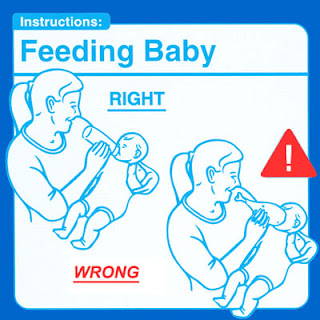
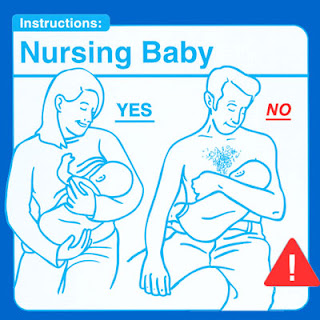
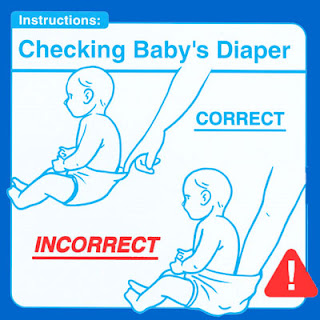
Here are some dos and don’ts when it comes to caring for the baby! Becoming a good parent means much more than knowing a lot about babies.

Ask pediatric doctors or nurses what it was like for them to be new parents. They will tell you that all their knowledge about babies was not enough to keep them from being overwhelmed by their own babies.

All new parents feel the same way. All new parents work at knowing, understanding, and loving their babies.

If you want to learn all about your new born baby care, and be able to respond to his/her needs appropriately – it is going to take a lot of your time.

In case you are a young mother or father, having difficulties in putting the baby to sleep or feeding him, these instructions are the clearest you can get.


Read More

The first looks of your New Born Baby

new born baby
Few newborns look picture perfect at birth. They have many variations in normal appearance - from color of the skin to its texture to the shape of the head. Some of these differences are just temporary, part of the physical adjustments a baby goes through. Mentally, mostly all babies are awake and alert during the first few hours after birth.

Physical appearance:

Head
The head may look pointed due of pressure during birth. It would become normal in two weeks. When you touch on the top of your baby's head, you can feel a soft spot. This is the part where the bones of the skull have not joined together. It becomes normal when your child is 16-18months.

Skin
You will find little marks, spots and rashes, red or greenish blue on the skin of your new born baby. This is completely normal and some babies may have more than others. Skin may be peeling on the hands and feet and some babies may have noticeable downy body hair. But all these will disappear on their own accord.

Hands and Feet
The fingernails of the baby seems long at birth. The legs look bowed as he had been lying curled in the womb.

Eyes
The eyes may look as if they are squinting. This is very common in the first months. Puffy or blood shot eyes should be checked by the doctor.

Nose
The nose may appear flat as the bone hasn't yet fully developed.

Genitals
Most of the babies genitals look large. There may have a milky discharge from the breasts and sometimes blood or discharge from the vagina in a baby girl. This is because of an infusion of mother's hormones from the placenta, just before birth. This is perfectly normal and will soon disappear.

Mental Ability :
Mostly all babies are awake and alert during the first few hours after birth. They are attracted to human sights especially faces and human sounds. They have a grasp reflex and sucking reflex. If an object is placed in his palm he involuntarily clenches his fists around it, likewise if the newborn is placed near his mothers breast, the baby will seek the nipple and begin to suck. Babies can see now, although objects may be blurred.

Read More

Site is 'Netflix for baby clothes'

Baby Care
Plum has not only a great idea, but a great motto: "Think of us as the Netflix for baby clothes," and that pretty much sums up the website's mission: Rent baby clothes — but no, not ones that have been super-pooped in — and return them when you're done.

Here's how it works: The relatively new site is a subscription-based baby boutique of sorts, carrying brands like Egg Baby, Kate Quinn Organics, Petit Bateau and Tea Collection. For $16 a month, you can rent two outfits; $29 a month for four; and $49 a month for seven.

"You can send them back anytime you'd like within three months. We'll send you a new bundle," the site says. Also promised: "Our bundles are always freshly laundered in 7th Generation laundry products, the greenest and healthiest on the market, and we pack them with a little sachet of organic lavender to keep them smelling lovely."

Stain issues? "We're moms and we know how it goes: accidents happen. Send them back with the bundle. We'll either donate them to foster care, or use the fabric that's still in great shape in hand-crafted baby gifts. No charge to you!"

Outfits ship via regular mail, with one "free round-trip" a month included in a subscription.

Caroline O'Connor, the brains behind Plum, writes on the site that she had a few inspirations for the idea:

'There's got to be a better way,' I thought, while sifting through piles of gifts and hand-me-downs. My first baby is due in October, and amidst the excitement I wondered how I'll ever handle all this ... stuff. The idea for Plum was born as I explained to my husband the ideal solution: If someone could drop matched bundles of my favorite brands at my door in the right sizes, already laundered with organic products. Then I thought: "Good grief, why isn't someone already doing this?" I decided that someone could be me.

And, her own mother is a foster care mom for infants: "The babies who come to her are as young as just a few days old. They may stay for a few weeks or a few months. Not only does she want the best for the babies in her care, she buys them clothes so that they have something when they leave her care." Of course, O'Connor says, "There are thousands of other foster parents like her around the country."

Baby clothes that "just can't be saved — moms, you know what I mean — we use scraps from to create gifts onesies." O'Connor says all proceeds from the sales go to Foster Care Alumni of America, "which helps foster kids successfully transition into adulthood."

Read More

Friday, April 15, 2011

Relax! The Zsa Zsa-baby thing won't happen

Crying baby
You probably saw the headlines Thursday about 94-year-old actress Zsa Zsa Gabor becoming a mother. Sounds like a miracle of modern science, right?

Wrong. There are a bunch of significant problems with the whole scenario that make it, in the end, just another sensational Hollywood tale that won't actually happen.

First off, while Gabor's husband says he'll spend about $100,000 for the couple to have a child, it won't be biologically connected to the actress. In fact, while some women are today having children in their 40s and 50s, there exists no technology to make a child that is the biological offspring of a 94-year-old woman.

Prince Frederic von Anhalt told CNN he is finding an egg donor and a surrogate for the purposes of artificial insemination. Theoretically, that means his sperm would fertilize the donor's eggs and then one or two resulting embryos would be implanted into a surrogate. Current guidelines suggest that the combined age of two biological parents shouldn't be above 100; if 67-year-old von Anhalt is the father, the egg donor will have to be under 34. He could alternatively use an anonymous sperm donor.

But it's not as simple as that. Dr. Dan Shapiro of Reproductive Biologic Associates of Atlanta says von Anhalt and Gabor's public desire to have a child would not be considered a legitimate reason to go through with this procedure, given the circumstances. Gabor has suffered significant health problems

Read More

Wednesday, November 17, 2010

Study: Antibiotics have little impact on child ear infections

Giving children antibiotics for ear infections does little to speed their recovery while raising the risk of some side effects, according to a study published Tuesday in the Journal of the American Medical organization.

The study found that 80 out of 100 otherwise healthy children would recover from an acute ear infection within a few days if given medication only to relieve pain or fevers. If all 100 were given antibiotics instead, 92 would be better in the same period, said Dr. Tumaini Coker, the study's lead author.

"But we would also expect three to 10 kids to develop rash and five to 10 to develop diarrhea," said Coker, a pediatrician at Mattel Children's Hospital at the University of California-Los Angeles.

Coker noted that the increased number of children in the study who benefited from treatment with antibiotics was similar to the number that could be expected to get side effects from the antibiotic treatment.

"Clinicians and parents need to know the benefits and side effects on how to manage their child's ear infection," Coker said.


Friday, October 8, 2010

Health Insurance for Children


In today’s Patient Money column, Lesley Alderman writes about the various ways parents can find health coverage for their children, even if they think they can’t afford it.

Children in families with incomes of up to $44,100 (for a family of four) are likely to be eligible for some kind of government health insurance. In states where the cost of living is high, the income limits are even greater. In New York State, the cutoff for a family of four is $88,200; in New Jersey, it is $77,175.

The news is good for children, but it could be better. Almost 10 percent of children, or seven million of them, still do not have insurance. According to a recent report published in the journal Health Affairs, 4.7 million of those uninsured children are eligible for government coverage.


Wednesday, July 14, 2010

Baby care


A healthy birth and enlargement weight is good for your baby. The average birth weight for a typical toddler will be boys (3.2-3.6kg or 7-8lb), girls (3-3.5kg or 6 3/4lb -7 3/4lb) and the average height may be boys (48-52cm) and girls (48-51cm).

After trailing some of her birth weight during the first days after birth, your baby will establish to grow gradually. By the focus of her first month, she will perhaps be gaining about 0.5 to 1 ounce per day. After the first month, weight gain may be 1.5 to 2 pounds and length may augment 1 to 1.5 inches per month. These are just averages; as long as your baby is staying on her own growth curve, you should have no concern about her progress.

Your pediatrician will determine her weight, length, and head circumference once a month and plot your baby's own growth path on a chart, so any growth troubles can be spotted early. All babies grow at different rate. There is no need to worry if your baby has periods of slow growth interspersed with spurts but if two successive measurements seem low, check with your pediatrician.

At 3 months, the 'emblematic' baby weighs 13 pounds and measures 24 inches. But don't worry if your baby is smaller or larger. Babies, like adults, vary in size and shape. In fact, the 'average' weight for a 3-month-old can range from 9 to 16pounds and the average length from 22 to 25 inches.

Related Content

Related Posts Plugin for WordPress, Blogger...