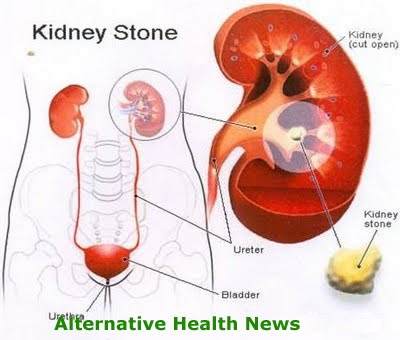
What you eat and drink isn’t the only things that decide whether you’ll get kidney stones
1. Drink plenty of water and other fluids.
It’s first on the list for a reason -- Water dilutes urine and flushes away mineral-like materials that could possibly turn into stones.
2. Coffee and tea are fine if they help increase your fluid intake. Beer and alcohol are OK, too, in moderation. But avoid dark colas and grapefruit juice if you are prone to kidney stones.
3. Keep track of sodium and keep it under the U.S. recommended daily allowance (RDA) of 2,400 mg. Check labels on hot dogs, canned soups and vegetables, processed frozen foods and luncheon meats.
4. Don’t overdo it on meat, fish, eggs and organ meats like liver because of their effect on the chemical makeup of urine that’s conducive to stone formation.
5. Follow your health care practitioner’s recommendations for the calcium you need for your age. If you’re supplementing calcium in your diet with a pill or powder, be sure to take the supplement with meals.
Postmenopausal women should be aware that calcium supplements were shown to increase the risk of kidney stones by 20 percent in a recent Harvard University-based Nurses’ Health Study. Consider non-fat dairy products, leafy green vegetables and salmon instead.
6. Limit intake of spinach, rhubarb, beets, chocolate, nuts and wheat bran, which have been shown to contribute to a kind of stone called calcium oxalate. But you don’t necessarily need to eliminate these foods from your diet -- they have too many beneficial properties to do that.
7. Get advice from your doctor before taking vitamin C or D supplements as they can contribute to stone formation.
Beyond these guidelines, consider that your weight, environment, heredity and general health are also factors to potentially develop the condition.
Healthy Soup1. Drink plenty of water and other fluids.
It’s first on the list for a reason -- Water dilutes urine and flushes away mineral-like materials that could possibly turn into stones.
2. Coffee and tea are fine if they help increase your fluid intake. Beer and alcohol are OK, too, in moderation. But avoid dark colas and grapefruit juice if you are prone to kidney stones.
3. Keep track of sodium and keep it under the U.S. recommended daily allowance (RDA) of 2,400 mg. Check labels on hot dogs, canned soups and vegetables, processed frozen foods and luncheon meats.
4. Don’t overdo it on meat, fish, eggs and organ meats like liver because of their effect on the chemical makeup of urine that’s conducive to stone formation.
5. Follow your health care practitioner’s recommendations for the calcium you need for your age. If you’re supplementing calcium in your diet with a pill or powder, be sure to take the supplement with meals.
Postmenopausal women should be aware that calcium supplements were shown to increase the risk of kidney stones by 20 percent in a recent Harvard University-based Nurses’ Health Study. Consider non-fat dairy products, leafy green vegetables and salmon instead.
6. Limit intake of spinach, rhubarb, beets, chocolate, nuts and wheat bran, which have been shown to contribute to a kind of stone called calcium oxalate. But you don’t necessarily need to eliminate these foods from your diet -- they have too many beneficial properties to do that.
7. Get advice from your doctor before taking vitamin C or D supplements as they can contribute to stone formation.
Beyond these guidelines, consider that your weight, environment, heredity and general health are also factors to potentially develop the condition.
Alternative Health News
Read More


